
If you’re just getting started with crypto, then making your first wallet-to-website transfer can feel worrying for a simple reason: blockchains are designed to be hard to reverse. The good news is you do not need a vast amount of technical knowledge to do this safely. You just need a repeatable decision sequence that catches the few mistakes that actually matter.
A useful mental shift is to treat the deposit address like an account number and the network like the rail that moves the transfer. The address can be perfectly copied, but if you pick the wrong rail, the transfer may not land where you intended. One example of how researchers try to reduce avoidable mistakes is this journal paper on address aliasing systems: Blockchain-Based Address Alias System. It can be an interesting place to start.
The three checks that stop most first-time errors
Before you send anything, undertake three checks in order: asset match, network match, and confirmation expectations. If those three line up, most transfers work as expected. If any of those look wrong, stop and do not proceed with the transaction until you have resolved the issue.
Asset match means the destination supports the coin you plan to send, and your wallet is sending that exact coin. Network match means the destination is expecting that coin on a specific network, and your wallet is sending on that same network. Confirmation expectations mean you know what a completed transaction should look like, so you interpret the information correctly, instead of guessing.
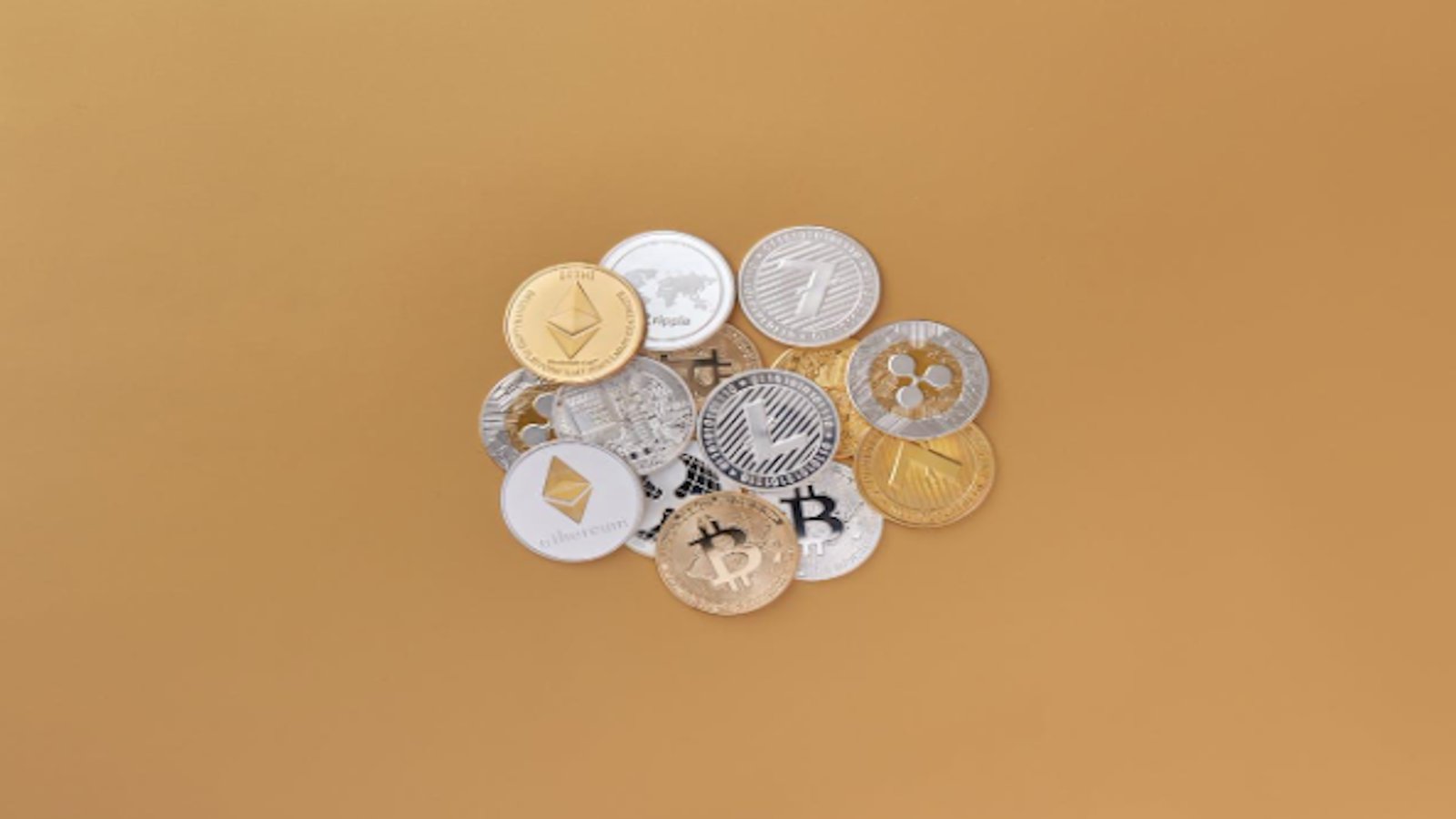
It helps to see how a real crypto-accepting destination presents the details you must verify in plain language. For example, Cafe Casino publishes a clear list of payment options that shows supported cryptocurrencies side by side, including Bitcoin, Ethereum, Litecoin, Bitcoin Cash, and USD Tether. That list is a helpful way to confirm whether the coin you are intending to use is actually supported.
Next, notice how timing is described. The site mentions “Fast Payouts – Especially for crypto users, withdrawals can be processed in minutes,” giving you an idea of how long you will be waiting. It’s important to be aware that network congestion can still affect timeframes, but this at least gives you a sense of how things are handled on the platform’s side.
When you generate a deposit address anywhere, you are looking for the same trio of signals: the supported asset, the network label tied to the address you copied, and the confirmation threshold for crediting.
As to what users notice when those mechanics run smoothly, this short testimonial post on Instagram highlights fast payouts and responsive support.
Address and network checks without overthinking
When entering a destination address, copy and paste is a safer approach than manually typing it out, but it’s still important to validate what you pasted before going any further. Compare the first six characters and the last six characters of the destination address against what your wallet shows on the final send screen. If those ends match, you can be fairly sure you pasted the address correctly. If not, stop and correct the address before continuing.
It’s also worth noting that some assets use an extra identifier, such as a memo or tag. If the destination shows an additional field, treat it as part of the destination details, not an optional note. If anything looks inconsistent, stop and generate a fresh deposit address.
Confirming the network choice should be done with the same level of care as entering the destination address itself. Choose the network before you copy the deposit address, then confirm your wallet send screen shows the same network label. Do not rely on auto-selection.
Confirmations, fees, and what safe actually means
After you send funds, shift your attention from the destination page to the transaction itself. Most wallets provide a transaction hash, often called a TxID. Copy this and paste it into a block explorer for the network you used, then look for three signals: it is found, it is confirming, and does the destination address match. If the explorer shows “pending” or “unconfirmed,” that usually means the transaction has been broadcast but not yet included in a block. Once it is in a block, confirmations count upward from one steadily over time. When the required number is reached, the destination can credit it on their side.
Fees are another thing to pay attention to. Even if the site you are paying doesn’t charge any fees, the network fee still exists. That fee is paid to the network validators or miners, not to the destination.
For first-time destinations, adopt the test send habit. Send a small amount first, verify that it arrives, then send the remainder.
You should be able to explain what you see at each stage using objective signals: the asset name, the network label, the destination address, the TxID, and the confirmation count. If any of those are unclear, pause and resolve it before moving on.